Consumer expectations have changed dramatically over the past decade, and nowhere is this more visible than in the coffee aisle. The rise of premium coffee beans has pushed customers to ask questions that previous generations never thought to consider: Where was this grown? How was it processed? Who picked it? This curiosity represents a seismic shift in buying behavior, one that carries lessons far beyond the beverage industry. Businesses that understand this trend are not just selling coffee better. They are building blueprints for the next generation of consumer goods.
Why Origin Matters More Than Ever to Modern Buyers
The demand for traceable products is not a fringe movement. Research consistently shows that younger consumers, particularly millennials and Gen Z shoppers, are willing to pay significantly more for goods they can trace back to responsible sources. Coffee has become a proving ground for this behavior. Regions like Ethiopia, Colombia, and Guatemala have become household names among coffee enthusiasts not just because of geography, but because of flavor complexity and farming practices. Roasters who can tell a detailed story about their sourcing, complete with farm names and harvest dates, command premium prices and earn extraordinary trust.
Strategies for Selling Premium Products Without Alienating Value-Conscious Shoppers
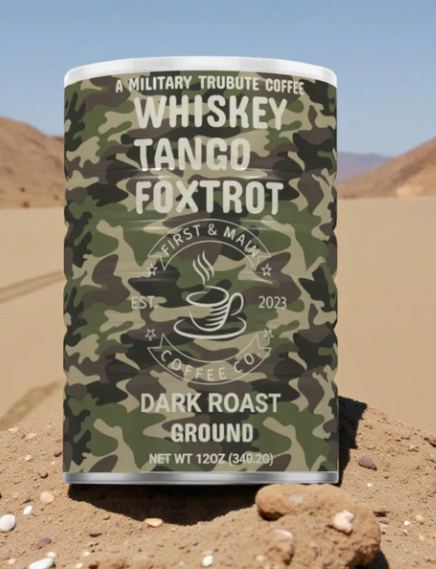
One of the most common mistakes premium brands make is assuming their audience is homogenous. The reality is that even customers who prioritize value can be converted to premium buyers with the right strategy. Sampling programs, entry-level offerings, and education-first marketing all lower the psychological barrier to that first high-end purchase. Tiered product lines work especially well. Offer a quality everyday option alongside your flagship reserve product. This gives customers a pathway into your brand without requiring full commitment upfront. Once someone experiences your core quality, moving them up the value ladder becomes significantly easier. First and Main Coffee Co. at premium coffee beans demonstrates this approach well, offering a curated range that serves both everyday drinkers and serious enthusiasts without diluting the brand’s premium positioning.
Sourcing Relationships as a Business Competitive Advantage
In the world of specialty coffee, sourcing is not a back-office function. It is a strategic asset. Roasters who build direct relationships with farming cooperatives gain first access to exceptional lots, better pricing stability, and compelling storytelling material that resonates with conscious consumers. This model of direct trade, while requiring more legwork than buying from commodity brokers, delivers compounding returns. The stories, the relationships, and the resulting quality speak directly to what modern buyers value most. Any entrepreneur operating in a quality-driven category should consider how direct sourcing might elevate both their product and their marketing narrative.

How Subscription Commerce Is Amplifying Premium Coffee Demand
The subscription economy has been a powerful accelerant for premium coffee brands. Monthly or bi-weekly deliveries solve the convenience problem while maintaining a sense of discovery and exclusivity. Customers who subscribe to curated coffee programs often develop deeper brand loyalty than those who purchase at retail because each delivery reinforces the relationship. From a business perspective, subscription revenue offers predictability that one-time sales simply cannot match. Combined with customer lifetime value metrics, subscription models allow small premium brands to invest more confidently in sourcing, marketing, and product development.
Conclusion
The story of premium coffee beans is ultimately a story about trust. When a brand can prove, through transparency and consistency, that it deserves a premium price, customers respond enthusiastically. The entrepreneurs who internalize this lesson will find themselves ahead of the curve regardless of what category they operate in.
About the Author