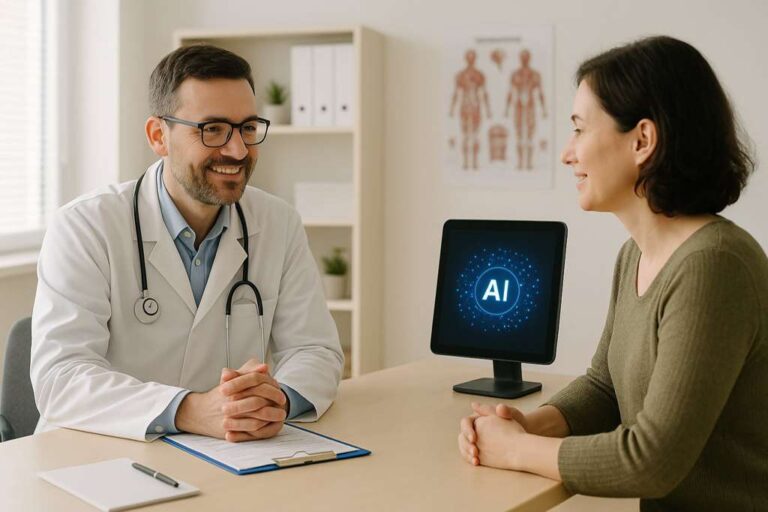
Healthcare professionals are constantly balancing patient care with administrative responsibilities. One of the most time-consuming tasks is documentation, which often takes away valuable time from direct patient interaction. This is where modern solutions step in to simplify workflows and improve efficiency. Among these innovations, medical scribe software is becoming an essential tool for clinics and hospitals looking to streamline operations while maintaining accuracy and compliance.
Why medical scribe software Is Revolutionizing Healthcare Documentation
The traditional method of manual notetaking is not only tedious but also prone to human error. By integrating medical scribe software, healthcare providers can automate much of the documentation process, allowing them to focus more on patient care. This technology uses advanced speech recognition and AI-driven tools to capture conversations in real time, converting them into structured medical records.
One key advantage is improved efficiency. Physicians can complete patient notes during or immediately after consultations, eliminating the need for after-hours charting. This not only reduces burnout but also enhances productivity across the practice. Additionally, the software ensures standardized documentation, which is crucial for compliance and billing accuracy.
- It helps reduce administrative workload while improving documentation speed and precision.
Another benefit is better patient engagement. When doctors are not distracted by typing or writing notes, they can maintain eye contact and build stronger relationships with their patients. This leads to higher satisfaction rates and improved overall care experiences.
How medical scribe software Enhances Accuracy and Compliance
Accuracy in medical records is critical for both patient safety and legal compliance. Medical scribe software plays a vital role in minimizing errors by capturing detailed and consistent information. Unlike manual entry, which can vary between practitioners, digital documentation ensures uniformity in language and structure.
Moreover, these systems are often designed to align with regulatory standards such as HIPAA. They include built-in security features like encryption and access controls, ensuring that sensitive patient data remains protected. This is particularly important in today’s digital landscape, where data breaches can have serious consequences.
Another noteworthy aspect is integration. Most modern solutions can seamlessly connect with Electronic Health Records (EHR) systems. This allows for smooth data transfer, reducing duplication, and ensuring that all patient information is centralized and easily accessible.

The Future of Clinical Workflows with medical scribe software
As technology continues to evolve, the capabilities of medical scribe software are expanding rapidly. Future advancements may include deeper AI integration, predictive analytics, and even more intuitive voice recognition systems. These improvements will further reduce the burden on healthcare providers and enhance the quality of care delivered.
In addition, remote and virtual healthcare services are becoming more common. Digital scribing tools are perfectly suited for telemedicine, enabling accurate documentation even in virtual consultations. This flexibility makes them an indispensable part of modern healthcare infrastructure.
Healthcare organizations that adopt these tools early are likely to gain a competitive advantage. They can offer faster, more efficient services while maintaining high standards of accuracy and compliance. Over time, this can lead to better patient outcomes and stronger operational performance.
Conclusion
The healthcare industry is undergoing significant transformation, and documentation processes are no exception. By adopting medical scribe software, providers can reduce administrative burdens, improve accuracy, and enhance patient interactions. This technology not only supports clinicians in their daily tasks but also contributes to a more efficient and patient-centered healthcare system.
About the Author