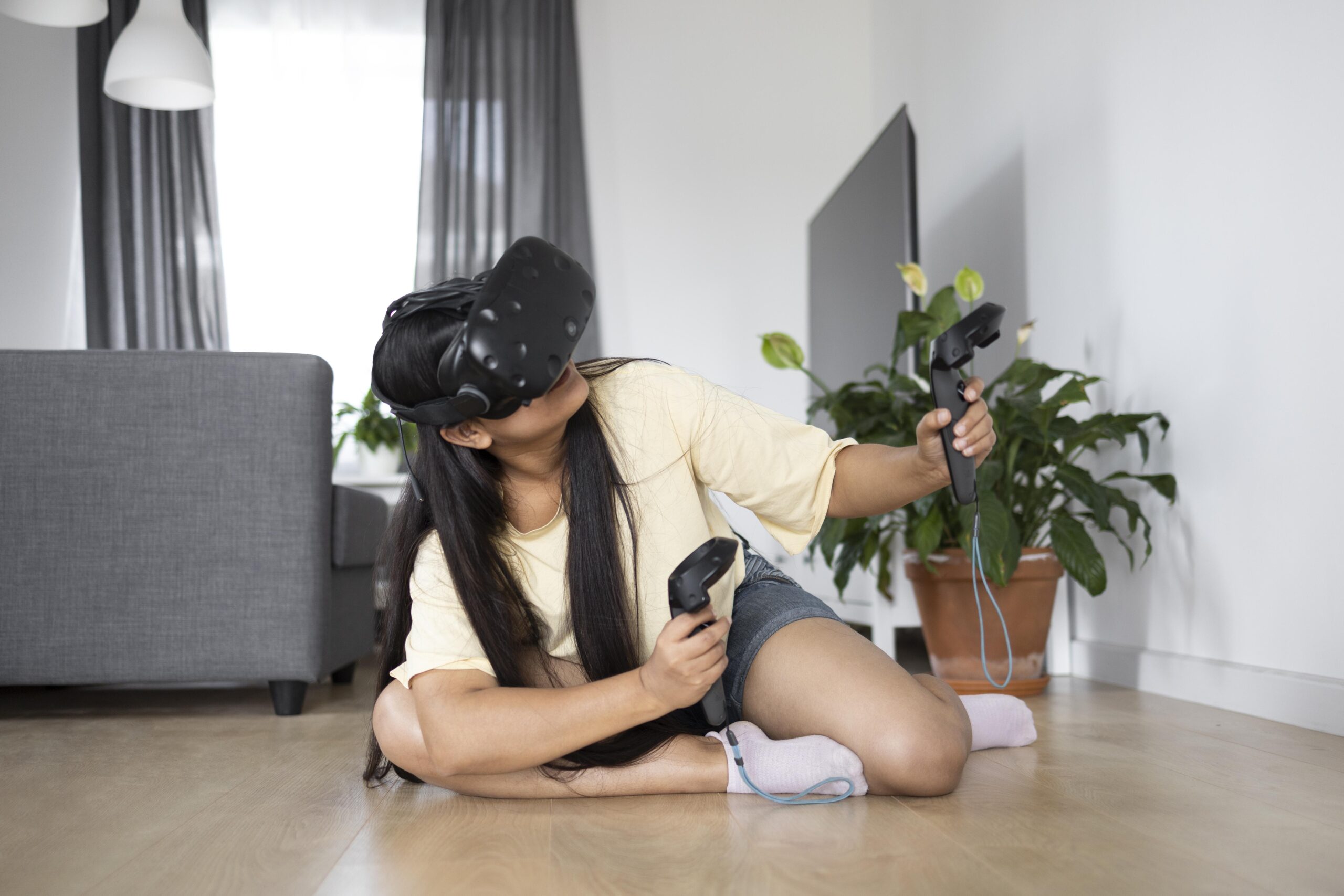
The rapid expansion of virtual reality technology has opened new opportunities for innovation across many industries. From immersive gaming to professional training simulations, VR systems are becoming more sophisticated every year. As developers build increasingly complex environments, understanding how users interact with these digital spaces becomes essential. Analytical tools such as VRSpy represent a growing category of technology designed to track, analyze, and improve experiences inside virtual worlds.
The Importance of Behavioral Insights in VR
Virtual reality differs from traditional digital platforms because users interact with environments in a physical and spatial way. Head movements, gestures, and body positioning all influence the experience. Because of this complexity, developers need detailed insights into how people behave within virtual spaces.
Platforms associated with VRSpy provide ways to capture and interpret these interactions. Instead of relying on surveys or user feedback alone, developers can observe real behavioral patterns within the simulation. These insights help designers understand how users navigate environments, interact with objects, and respond to various scenarios.
Behavioral data allows creators to refine their environments and create more intuitive experiences.
Enhancing Development and Testing Processes
Testing virtual environments can be challenging because traditional debugging methods are not always effective in immersive systems. Developers must consider spatial interactions, real-time rendering, and complex user behaviors.
Tools that follow the philosophy behind VRSpy help development teams monitor sessions and evaluate performance more efficiently. Developers can replay interactions, analyze user decisions, and identify areas where confusion occurs. This level of observation helps reduce development time and improves the overall quality of the final product.
With accurate data, teams can prioritize improvements that truly impact user satisfaction.
Supporting Research and User Experience Studies
Academic researchers and UX specialists are increasingly using immersive environments to study human behavior. Virtual reality provides controlled settings where participants can interact with simulated environments that mimic real-world situations.
Data gathered through systems similar to VRSpy enables researchers to analyze reactions, decision-making patterns, and spatial awareness in detail. Because virtual environments can simulate real-world scenarios safely, researchers can explore topics such as emergency response training, psychological behavior, and learning effectiveness.
This research contributes valuable knowledge about how humans interact with immersive technology.
Applications in Training and Simulation
Industries that rely on training simulations are adopting VR analytics to improve performance evaluation. Fields such as aviation, engineering, and industrial safety require precise monitoring of trainee actions.
By integrating analytical platforms inspired by VRSpy, organizations can review simulation sessions and measure user performance objectively. Trainers can identify mistakes, highlight correct procedures, and offer personalized feedback based on real interaction data.
This approach transforms training programs from passive learning experiences into highly interactive and measurable systems.
Challenges and Ethical Considerations
While monitoring tools offer many benefits, they also introduce ethical challenges. Virtual environments can capture detailed behavioral information that may reveal personal habits or psychological responses.
Developers working with technologies related to VRSpy must ensure that data collection follows strict privacy standards. Transparent policies, secure storage systems, and informed user consent are essential elements of responsible implementation.
Balancing innovation with privacy protection is necessary to maintain user trust as VR technology continues to expand.
The Evolution of Immersive Analytics
As hardware capabilities improve, the amount of data generated inside VR environments will increase dramatically. Eye-tracking, biometric sensors, and AI-driven analytics may soon provide deeper insights into user behavior.
Systems building upon ideas similar to VRSpy could eventually analyze emotions, engagement levels, and cognitive responses in real time. These advancements could help developers create adaptive environments that respond to user actions instantly.
Such technology could revolutionize not only entertainment but also education, therapy, and professional training.
Conclusion
Virtual reality is moving beyond entertainment and becoming a powerful platform for communication, learning, and innovation. To unlock its full potential, developers and organizations must understand how users behave within immersive environments. Analytical systems like VRSpy play an important role in capturing this information and transforming it into actionable insights. As VR technology continues to evolve, the ability to observe and analyze user interaction will remain essential for creating meaningful and effective virtual experiences.
About the Author